
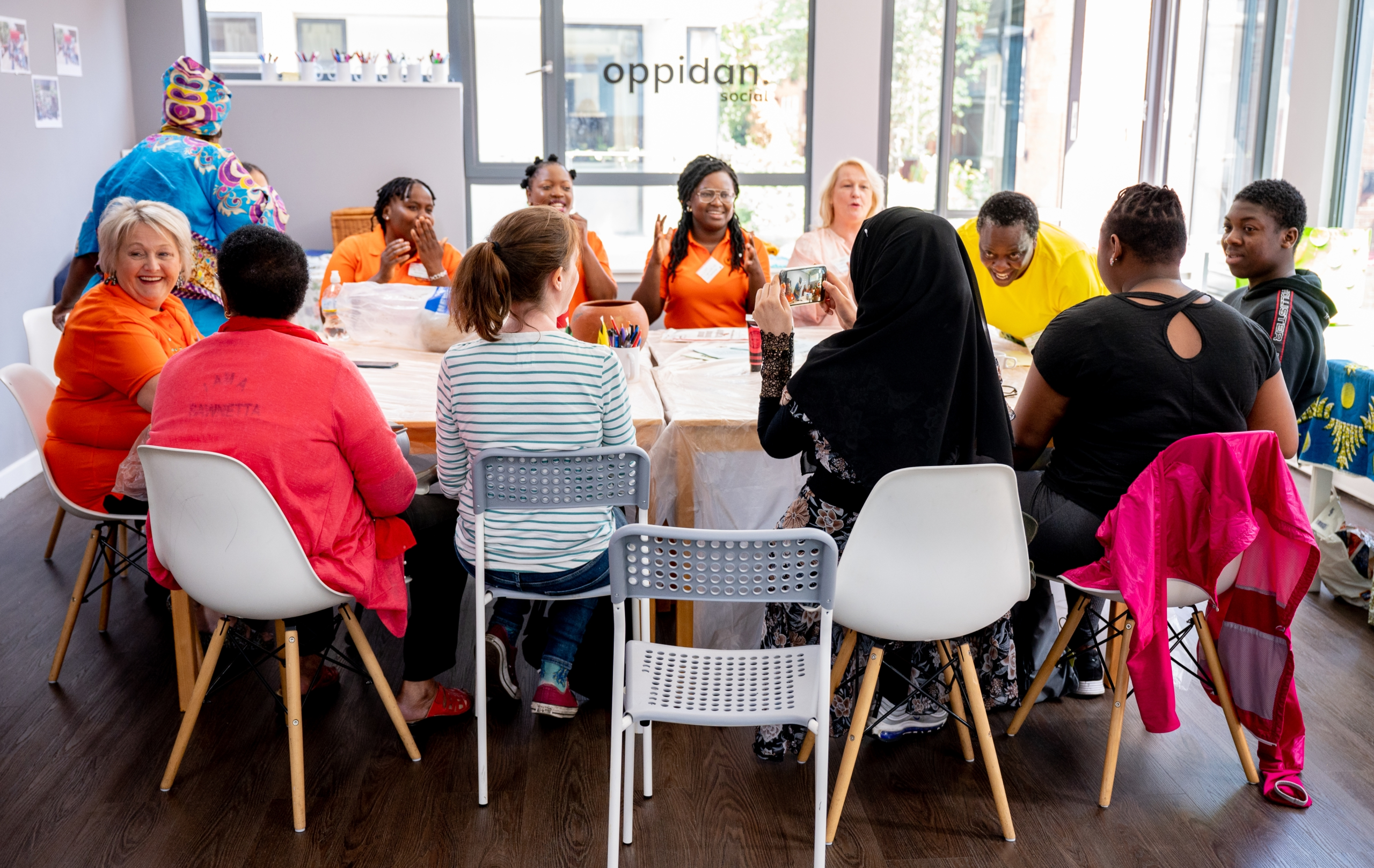
We invested in new funding infrastructure based on fundamentally different assumptions and practices from those which form the foundations of institutional philanthropy.
We wanted to learn from those developing these new models, and to play our part in demonstrating that other ways of stewarding resources rooted in ideas of mutuality, justice and anti-oppression are possible. We take no credit for this body of work and thinking; we include it here because it crystallised our awareness of the contradictions inherent in our own position.
Notable new funding vehicles from 2020 onwards included Resourcing Racial Justice and the Baobab Foundation.
Models of resource redistribution/sharing within networks/communities included Our Agency, based in Manchester, and Project Tallawah.
All aimed to fundamentally upend traditional philanthropic tropes and power dynamics – like the Baobab’s intention to be “a Foundation led By us. For us. With us. From us”.
Different alternatives also emerged for context-specific reasons. For example, during Covid, Resourcing Racial Justice identified the need to “mobilise money urgently to racialised communities who were already being excluded from the emerging funds – from state to philanthropic levels – despite being disproportionately impacted”.
They all sat against the backdrop of a growing critique of charity and philanthropy from initiatives like Charity So White, #PhilanthropySoWhite and Decolonizing Philanthropy, and were rooted in community-based knowledge systems and accountability to community (however that was defined).
Lankelly provided resources, including £8m of our capital (6% of our endowment at the time) to the Baobab Foundation in 2022. This, and other investments, arose from a growing sense of the need for accountability for our position and past, including our prior frames of reference and networks (see the commentary on ‘severe and multiple disadvantage‘) which had meant our money flowed away from racialised communities.
Our CEO talks about Lankelly’s involvement with Resourcing Racial Justice
We were also shown that life-affirming alternatives to traditional philanthropy are both possible and necessary.
Marai Larasi is a founder member of Project Tallawah and was a Lankelly trustee.
Matt Kidd and John Organ are the founders of Our Agency. Cathy Stancer was involved from Lankelly.
Resources
-

Dissolving Separations
Julian Corner
2024
- Endings,
- Philanthropy,
- Redistribution
-

The Road We Have Travelled – Our Learning Journey
Julian Corner
2025
- Philanthropy,
- Redistribution
-

Lankelly Chase to Wholly Redistribute its Assets
Julian Corner
2023
- Endings,
- Philanthropy,
- Redistribution
-
The Change We Want To See
Julian Corner
2021
- ‘Being the Change’,
- Systems change
Related stories
-
Money needs to flow for all of us to survive
Navigating the foundation space.
Aliyah Hasinah, Black Curatorial Ltd Read more -
Daring philanthropy’s end with Lankelly Chase
In trying to keep the balance of powers intact, the most unconventional ideas oddly flourish…
John Organ, Our Agency Read more -
Foundations are setting about good work and hard change but still lack self-accountability
Language out of pace with structures on the ground.
Yasmeen Akhtar Read more