

We broadened the field of funded (and fundable) activity by updating our governance and due diligence frameworks to include a broader range of social change setups.
We funded informal mutual aid groups, fiscally hosted networks, individuals and non-charities, including CICs, companies and statutory bodies.
We worked with our lawyers and used processes developed by other foundations to make sure we were meeting our legal and good practice obligations as a charity in doing this.
We developed ‘mutual due diligence’ so we could have more open conversations about our own governance and financial setups, including providing greater transparency on our endowment and investments.
We did this so we could make funding decisions based on the significance of work and its relationship to our mission, rather than being limited by self-imposed rules about the kinds of organisations we could fund.
We wanted ownership of (and accountability for) money and work to be spread more widely. Mutual due diligence was another of our attempts to mitigate and subvert funder-grantee power dynamics.
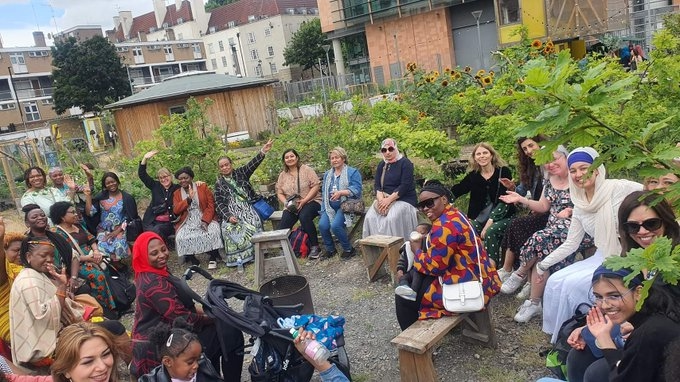
We enabled the creation of new networks and approaches, and allowed funds to flow to people, groups and work which they previously couldn’t reach.
We funded work inside statutory systems that enabled ‘intra-preneurs’ to develop new, collaborative approaches to persistent systemic problems.
We were able to support very early stage work and ideas, routing funds via host organisations or to individuals directly. This gave people time to work out the kind of legal/governance arrangements would be most appropriate to their work, rather than defaulting to a charity model.
We encouraged self-organising and the development of partnerships, networks and collaborations without the need for an existing institutional home.
We can identify plenty of mistakes and unintended consequences in other areas of our work, but this move to a ‘form-follows-function’ approach to what we could fund really opened up possibilities.
It enabled some important work to get going that might otherwise never have made it over the first hurdle with other funders.
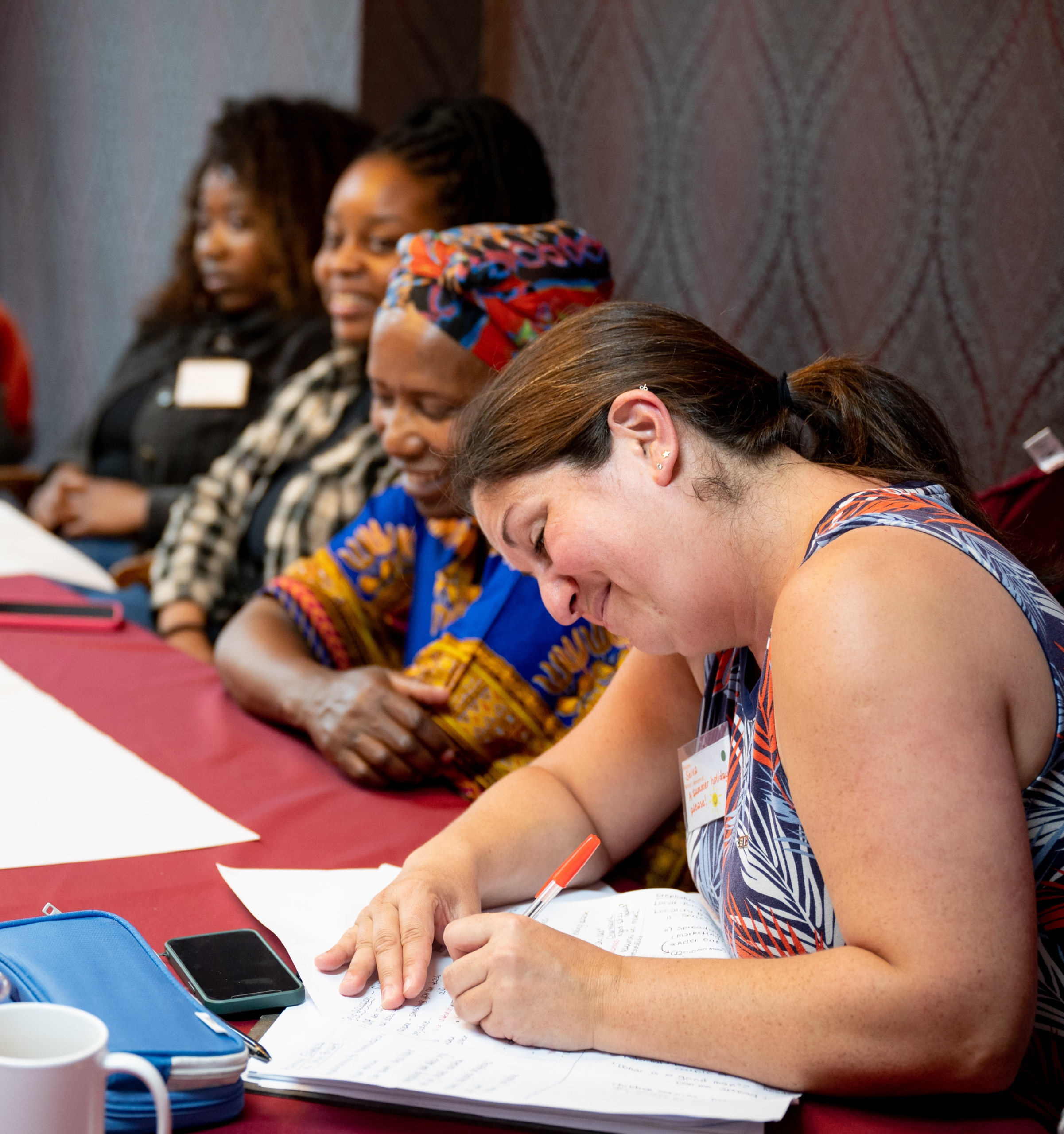
This was another step in loosening the cement around philanthropic norms in Lankelly.
Among other things, the development of Social Change Nest’s fiscal hosting platform was a notable success and there was rapid growth in the number of groups using it (via Lankelly and others). This opened up huge possibilities for collaborative networks and groups to manage resources to further their mission collectively, transparently and independently.
Jess Cordingly ensured Lankelly stayed legal when funding different kinds of entities and brought in the idea of ‘mutual due diligence’.
Rob McCabe of Birmingham Pathfinder is employed by Birmingham Children’s Trust and can speak to the importance of funding change makers inside public systems.
Esther Foreman is the founder of Social Change Nest.

Related stories
-
Lankelly did some very daring stuff
But we still only have pockets of change, not a global push.
Esther Foreman, Social Change Agency Read more -
Part of a philanthropic mosaic
Learning with Lankelly Chase through the years.
Emily Bolton, Our Future Read more -
Enhancing lives beyond traditional metrics
How Rob McCabe and Lankelly Chase pioneered relational support in Birmingham.
Birmingham Pathfinder Read more